
What Is Vibration Feedback Technology?
In our increasingly digital world, vibration feedback serves as the bridge between the screen and your senses. It allows devices to communicate via tactile signals—a short buzz confirming a text message or a rumble indicating a crash in a video game. This technology transforms flat glass screens into interactive surfaces that feel responsive and alive.

The demand for tactile integration is skyrocketing. The global market for haptic technology, driven by advanced haptic feedback vibration systems, was valued at over $4.3 billion in 2024. With a projected growth rate of nearly 15% annually, this technology is becoming a standard expectation for user experience across all sectors.
Key Takeaways
User Engagement: Vibration feedback enhances immersion, making digital interactions feel tangible.
Broad Application: From gaming consoles to life-saving medical devices, tactile alerts are everywhere.
Accessibility: It provides critical non-visual cues for users with vision impairments.
Evolution: While traditional vibration offers simple alerts, modern haptics simulate texture and pressure.
How Vibration Feedback Works
Mechanisms Behind Vibration Feedback
At its core, what is vibration feedback? It is the process of converting an electrical signal into mechanical movement. When a user interacts with a device—say, typing a letter on a virtual keyboard—the system sends a command to an internal motor.
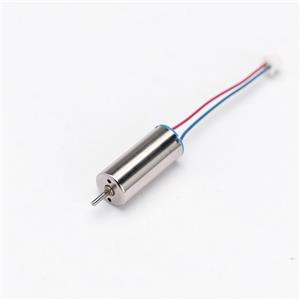
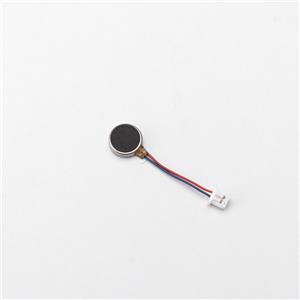
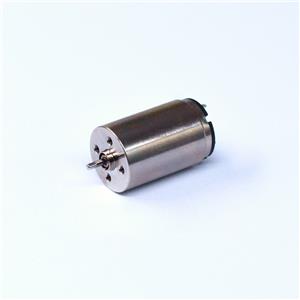
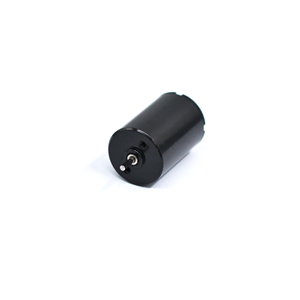
This motor, often an Eccentric Rotating Mass (ERM) or a Linear Resonant Actuator (LRA), spins or moves to create a physical sensation. As a leading hollow cup motor provider, Flourishing understands that the precision of these components dictates the quality of the feedback. Advanced algorithms control the intensity and duration, ensuring the buzz feels like a crisp "click" rather than a loose rattle.
Devices That Use Vibration Feedback
This technology is ubiquitous. Smartphones use it for silent notifications. Automotive dashboards use it to verify commands on touchscreens, allowing drivers to keep their eyes on the road. In the medical field, surgical simulators rely on precise motors to replicate the resistance of biological tissue.
Vibration Feedback vs. Haptic Feedback
Differences Between Vibration Feedback and Haptic Feedback
While often used interchangeably, there is a nuance. Vibration feedback generally refers to simple, binary alerts—on or off, strong or weak. Think of your phone buzzing when a call comes in.
Haptic feedback vibration is the high-definition version. It simulates complex sensations like texture, weight, or impact. It’s the difference between feeling a generic rumble and feeling the distinct "click" of a button that doesn't physically move.
| Feature | Vibration Feedback | Haptic Feedback |
|---|---|---|
| Sensation | Basic Buzz/Rumble | Simulated Texture/Clicks |
| Technology | Standard ERM Motors | LRAs or Piezo Actuators |
| Primary Use | Notifications/Alerts | Immersion/Realism |
Applications of Vibration Feedback Technology
Gaming and Entertainment
The gaming industry pioneered this tech. Controllers rumble to simulate recoil, collisions, or engine revs. It turns a visual experience into a physical one, deepening immersion.
Healthcare and Medical Devices
Surgeons training on VR simulators rely on tactile cues to learn delicate procedures. Without accurate feedback, the training loses its value. Additionally, rehabilitation wearables use vibration to stimulate nerves and guide patient movement.
Consumer Electronics
From smartwatches tapping your wrist for a turn-by-turn direction to electric toothbrushes signaling a timer, vibration is key. As a trusted dc motor for personal care appliances supplier, Flourishing provides the compact, reliable motors that power these daily interactions.
Benefits and Drawbacks of Vibration Feedback
Advantages
The primary benefit is confirmation. It reassures the user that an input was registered without needing visual or auditory confirmation. For accessibility, it is indispensable, allowing visually impaired users to navigate interfaces via touch.
Challenges and Limitations
Power consumption is the main hurdle. Generating mechanical energy drains batteries, which is why users often adjust their vibrate settings to save power on mobile devices. Additionally, creating nuanced sensations requires expensive, high-precision actuators, which can drive up device costs.
FAQ
What is the difference between vibration feedback and haptic feedback?
Vibration feedback provides simple alerts (like a phone buzzing), while haptic feedback offers detailed tactile sensations (like feeling the texture of a surface on a screen).
What devices commonly use vibration feedback technology?
It is standard in smartphones, game controllers, wearables (smartwatches), automotive infotainment systems, and medical training simulators.
What are the benefits of vibration feedback in gaming?
It increases immersion by providing physical responses to in-game actions, such as explosions, driving over rough terrain, or taking damage.
What challenges does vibration feedback technology face?
Battery drain and the physical space required for motors are significant challenges. Additionally, replicating realistic textures remains complex and costly.
Summary
Vibration feedback technology has evolved from simple buzzers to sophisticated systems that enhance how we interact with the digital world. Whether it's making a game feel real, guiding a surgeon's hand, or simply notifying you of a message, this technology relies on precision engineering. As a leading manufacturer, Flourishing is dedicated to advancing the Micro DC motors that power these essential tactile experiences.